Introduction to Pelvic Pain and Ayurveda
Many people experience pelvic pain at some point in life. This discomfort can affect daily activities. For those seeking natural options, herbal remedies for pelvic pain relief offer gentle support. Ayurveda, an ancient Indian system of medicine, uses herbs and lifestyle changes to help manage pain. In this blog, you will learn about Ayurvedic herbs for pelvic pain, natural pelvic pain relief, and safe herbal pain management.
Common Causes of Pelvic Pain
Pelvic pain can have many causes. Sometimes, it is mild and goes away quickly. Other times, it may last longer and need attention. Common causes include:
However, not all pelvic pain is the same. If pain is severe or sudden, it is important to seek medical help.
Overview of Ayurvedic Principles for Pain Relief
Ayurveda believes that balance in the body leads to good health. When this balance is lost, pain or illness can occur. Therefore, Ayurvedic pain relief focuses on restoring balance. This is done through herbs, diet, and lifestyle changes. In addition, Ayurveda looks at each person as unique. So, treatments are often tailored to individual needs.
Top Herbal Remedies for Pelvic Pain Relief
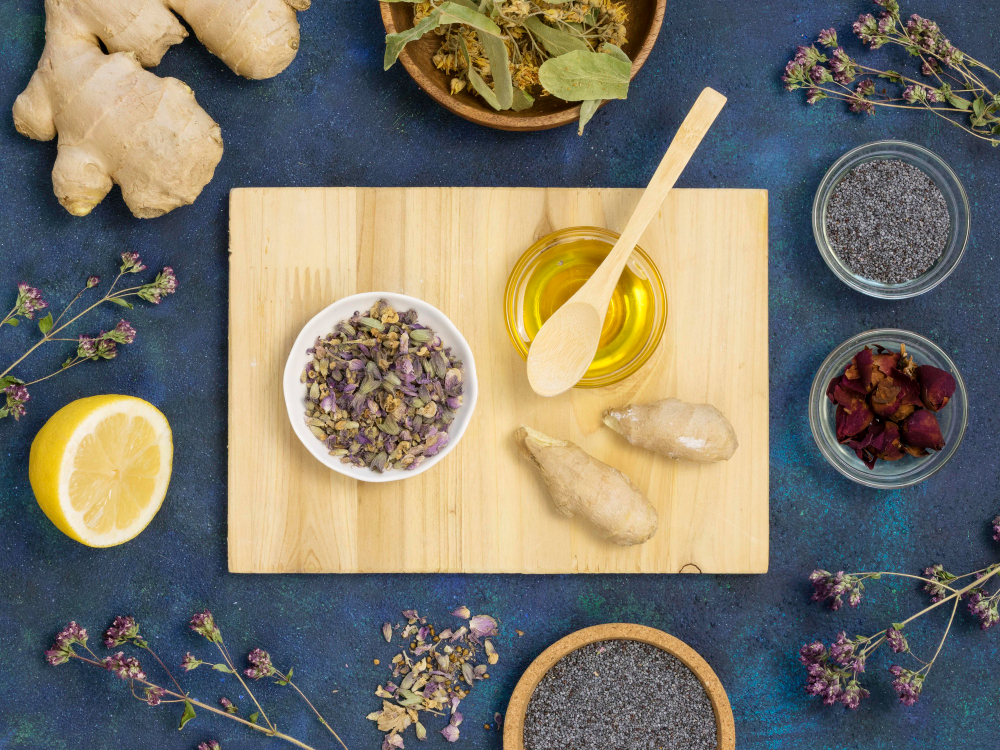
Many Ayurvedic herbs may help with pelvic pain. Below are some popular options. Always use these herbs under the guidance of a qualified practitioner.
While these herbs are natural, they can still cause side effects. Therefore, always check with a healthcare provider before starting any new remedy.
How to Use Herbal Remedies Safely
Safety is important when using herbal remedies for pelvic pain relief. Here are some tips to help you use herbs wisely:
Moreover, some herbs can interact with medicines. So, always inform your doctor about any herbal products you use.
Lifestyle and Dietary Guidance in Ayurveda
Besides herbs, Ayurveda recommends healthy habits for pain relief. For example, eating a balanced diet helps reduce inflammation. Warm, cooked foods are often easier to digest. In addition, gentle exercise like yoga or walking can ease muscle tension. Stress management is also key. Simple breathing exercises or meditation may help calm the mind and body.
Prevention Tips and When to Seek Medical Advice
Preventing pelvic pain is possible with some simple steps. Here are a few tips:
However, if pelvic pain is severe, sudden, or lasts more than a few days, seek medical help. Also, if you have fever, heavy bleeding, or trouble urinating, contact a doctor right away. Early care can prevent serious problems.
Consult a qualified Ayurvedic practitioner or healthcare provider for personalized pelvic pain relief guidance at SHE’s Gyneac and Obstetric Clinic.